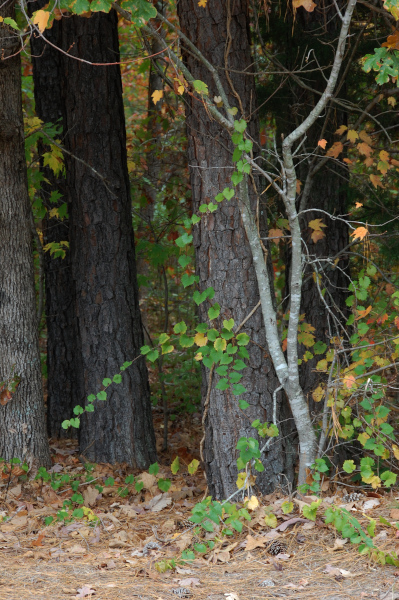
Enjoy some quiet nature today with this curving vine.
Author: Jaclyn
this is in archive.phpthe description is : *** ***
Quiet Nature- November 23, 2025
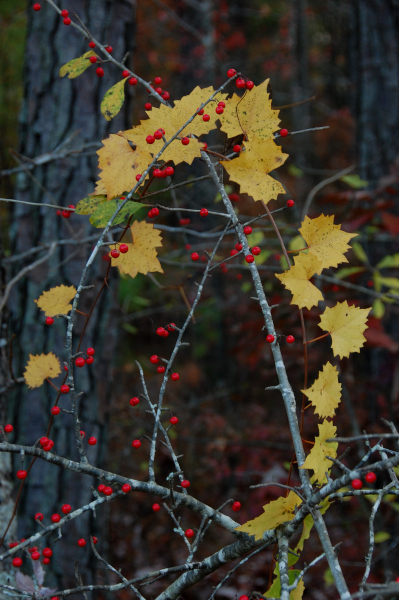
I love how these muscadine grape leaves made a golden arch around some red possumhaw berries. Enjoy some quiet nature today.
Quiet Nature- October 5, 2025
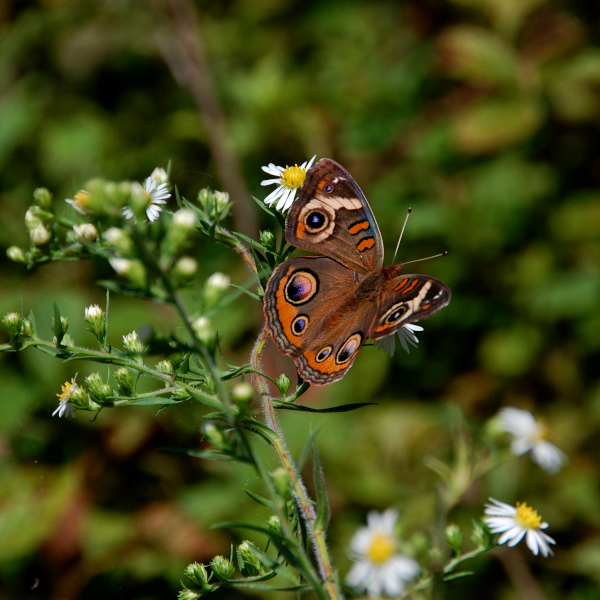
Enjoy some quiet nature today with this Common Buckeye butterfly (Junonia coenia).
Quiet Nature- October 8, 2024
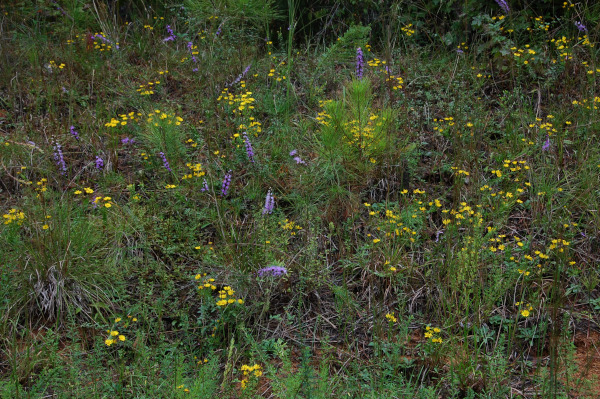
Golden asters and blazing stars on the Shiloh Greenway.
Red-bellied Woodpecker
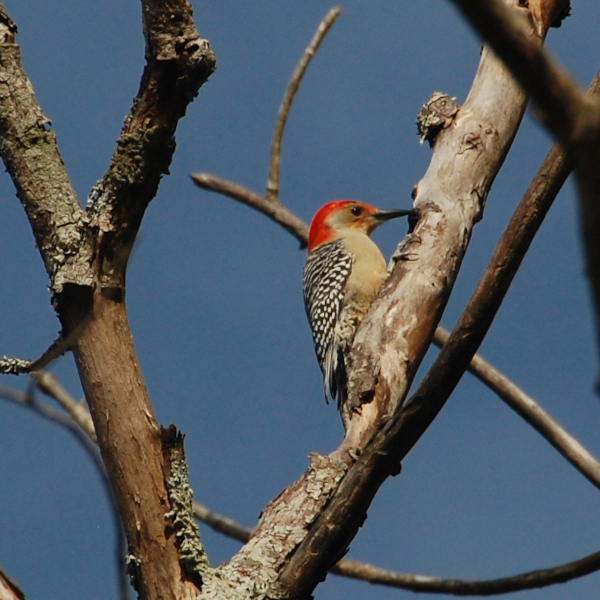
Now that the tree branches are bare, it’s easier to see the birds. This is a male red-bellied woodpecker (Melanerpes carolinus). The red on the male’s head goes from the beak to the back of the neck. The crown of the female’s head is gray. These birds have some light red coloring on their bellies,… Continue reading Red-bellied Woodpecker
Red-Winged Blackbirds
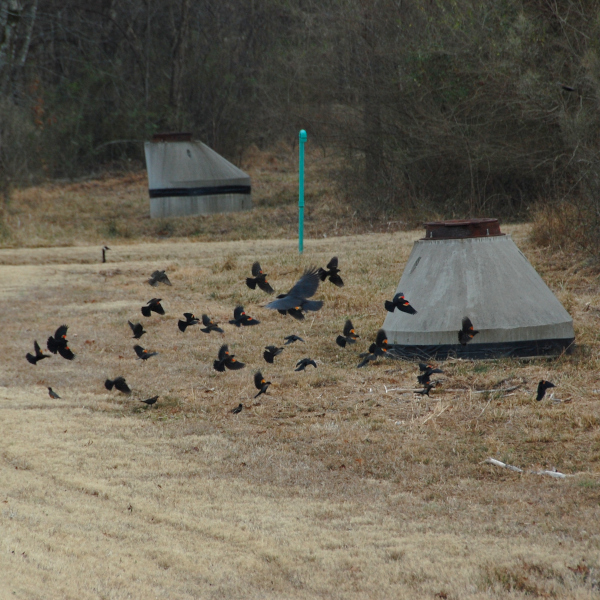
Red-winged blackbirds (Agelaius phoeniceus) are a common sight around wetlands. In the summer, you might see one or two near a small retention pond in your neighborhood. Once you know their song, you can’t miss them. This winter, I have had three occasions where an entire flock of red-winged blackbirds was hanging out on the… Continue reading Red-Winged Blackbirds
Rough Green Snake
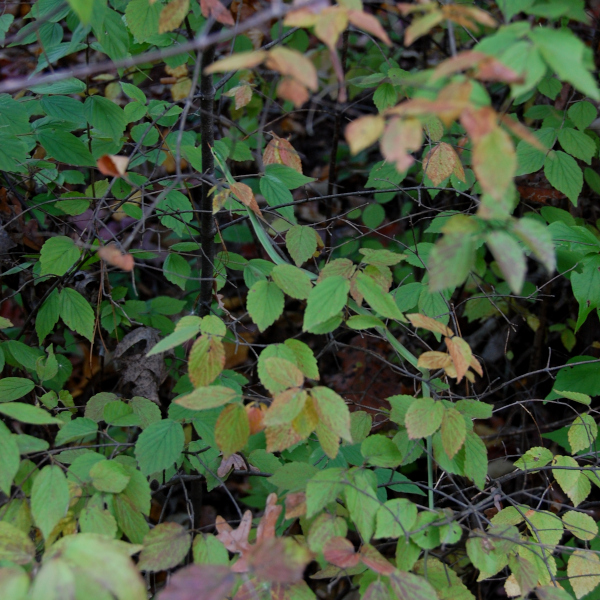
Look carefully. Can you see it? A rough green snake (Opheodrys aestivus) is hiding in the bush. Rough green snakes are friendly snakes. They are active during the day, usually climbing on trees. They typically eat insects and do not harm humans. Rough green snakes can be difficult to find. Their thin, green bodies match… Continue reading Rough Green Snake
Safety on the Greenways

What’s happening on the Shiloh Greenway this week? New mile markers! Every 0.1 mile will be marked with a painted star on the pavement. Much like highway mile markers, this will help if there’s an emergency on the trail. First responders will quickly be able to locate the area where they need to be.
Seeds of Invasive Vines
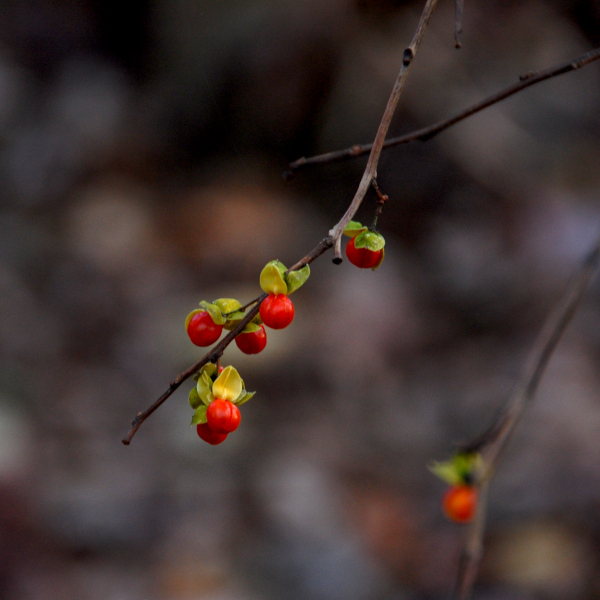
Some of our most invasive vines are producing seed right now: oriental bittersweet (Celastrus orbiculatus), Chinese privet (Ligustrum sinense), and Japanese honeysuckle (Lonicera japonica). If you see these vines on your property, it’s time to pull them out. The birds eat the seeds and help spread the vines to new locations.
Sleeping Bees
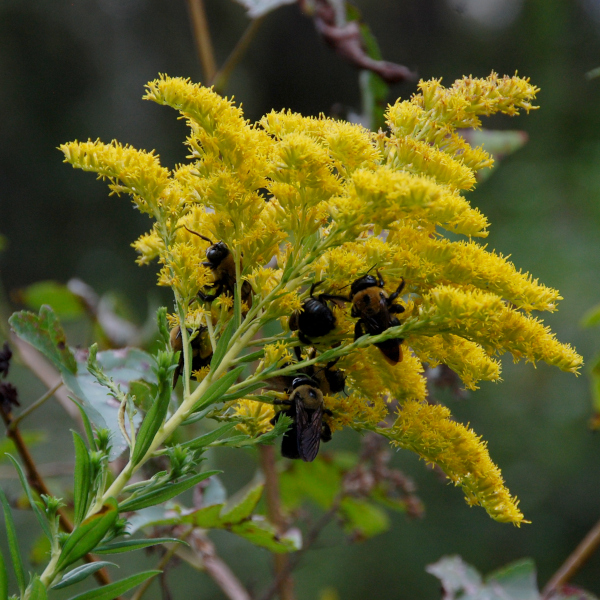
On these cool fall mornings, you might find a bee sleeping on a flower. Colder temperatures make it harder for bees to move around. In fact, the temperature has to be above 50 degrees Fahrenheit for carpenter bees to be active. They find shelter and protection in the flowers until the temperature warms up. I… Continue reading Sleeping Bees